Guide to the Zork Mini Macro
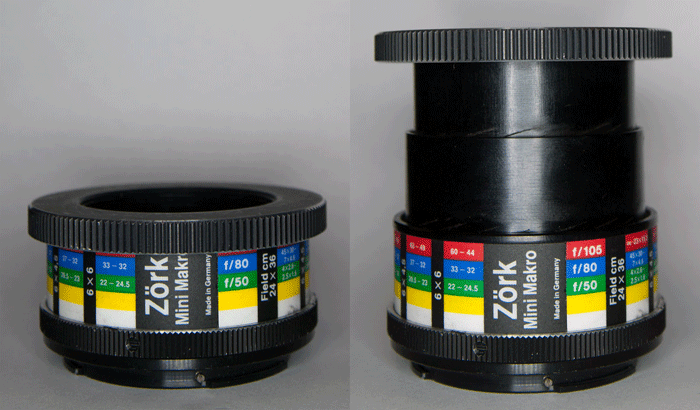
The Zork Mini Makro is a close-up gadget that's as compact as an extension tube, yet as versatile as extension bellows. It has a rotating metal barrel with a triple helical mount that provides 26-60 mm of extension which can be increased using additional extension rings. It's an interesting gadget that's worth a look and here's what it does.
I added a Pentax K T2 mount on the back and then attached a variety of lenses to the front. The front end has an option of a 39mm Leica thread for enlarging lenses (or old Leica rangefinder lenses) and this can be removed leaving a 42mm thread to accept Pentax M42 screw mount lenses from the likes of Zenit, Praktica, Chinon, Yashica, Pentax and Fujica.
You can also attach a M42 to 49mm reversing ring or 52mm version on the front to reverse any lens of your choice. Stepping rings can be used to get any lens filter thread down to the necessary 49mm or 52mm of the attached reversing ring.
First off the camera is mounted on a BPM Bellows Macro Rail and this combination is then attached to a tripod. The Macro rail is a brilliantly useful gadget that lets you adjust precise camera distance for fine tuning focus on macro work. Without it you would have to keep readjusting the tripod.
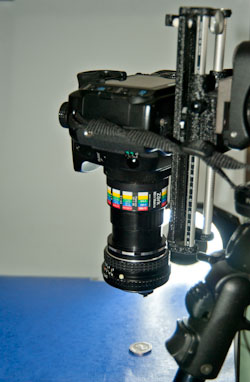 I then attached the reverse adaptor and screwed a 50mm f/2 Pentax lens to the front. The combination can be seen to the right. This method lets you to achieve the highest magnifications, but has its limits. If you use a modern lens reversed, from say Canon, the aperture is fixed open and no stop down is possible. If you're using old kit you have the advantage of having non automatic aperture settings so you can close the lens down easily. This is essential for increased depth-of-field resulting in sharper shots. A 50mm is ideal. You can pick some old ones up on eBay for next to nothing.
The second option is to use a 39mm thread enlarging lens. Here I attached a Hoya 75mm which is a really good optical quality lens. Others to consider include Nikon, Rodenstock and Schneider. This is a good lightweight and compact method and really suitable for field work. Enlarging lenses have always been a good choice for use on copy stands and front of bellows so it's ideal for the Zork too. The magnification isn't as good as the reversing method though, but you do get to shoot further from the subject so it's a good option for wildlife photography.
The third option was with a 50mm lens attached the correct way round using the Zork without the 39mm adaptor attached. I used an old Zenit lens which is actually 58mm thread from this camera Zenit E It's a budget lens and not quite to the standard of the enlarging lens or reversed Pentax lens but still perfectly acceptable. And the focusing is a bit closer than the 75mm enlarging lens.
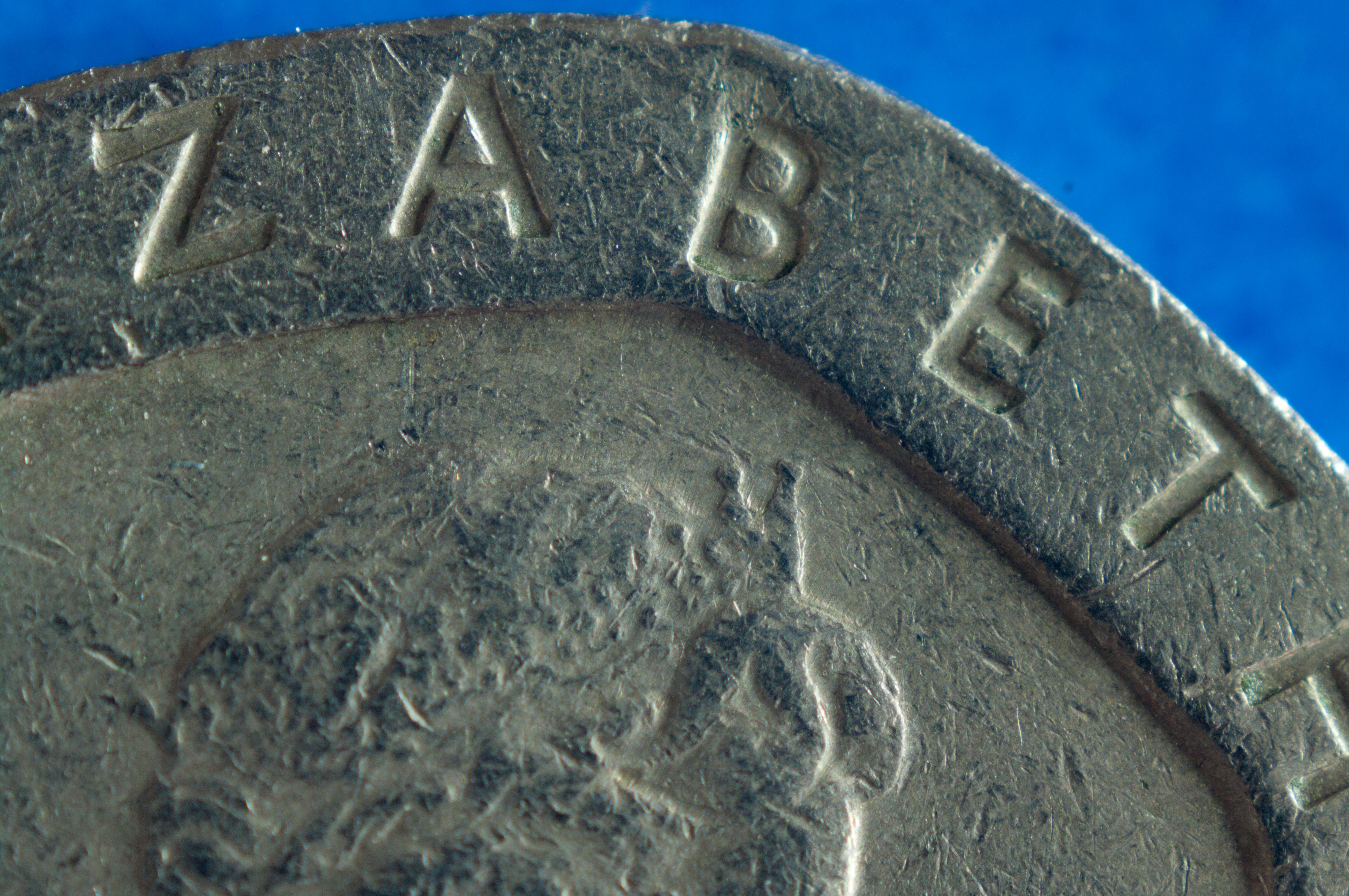
Zork Mini Makro Extended with reversed Pentax 50mm lens
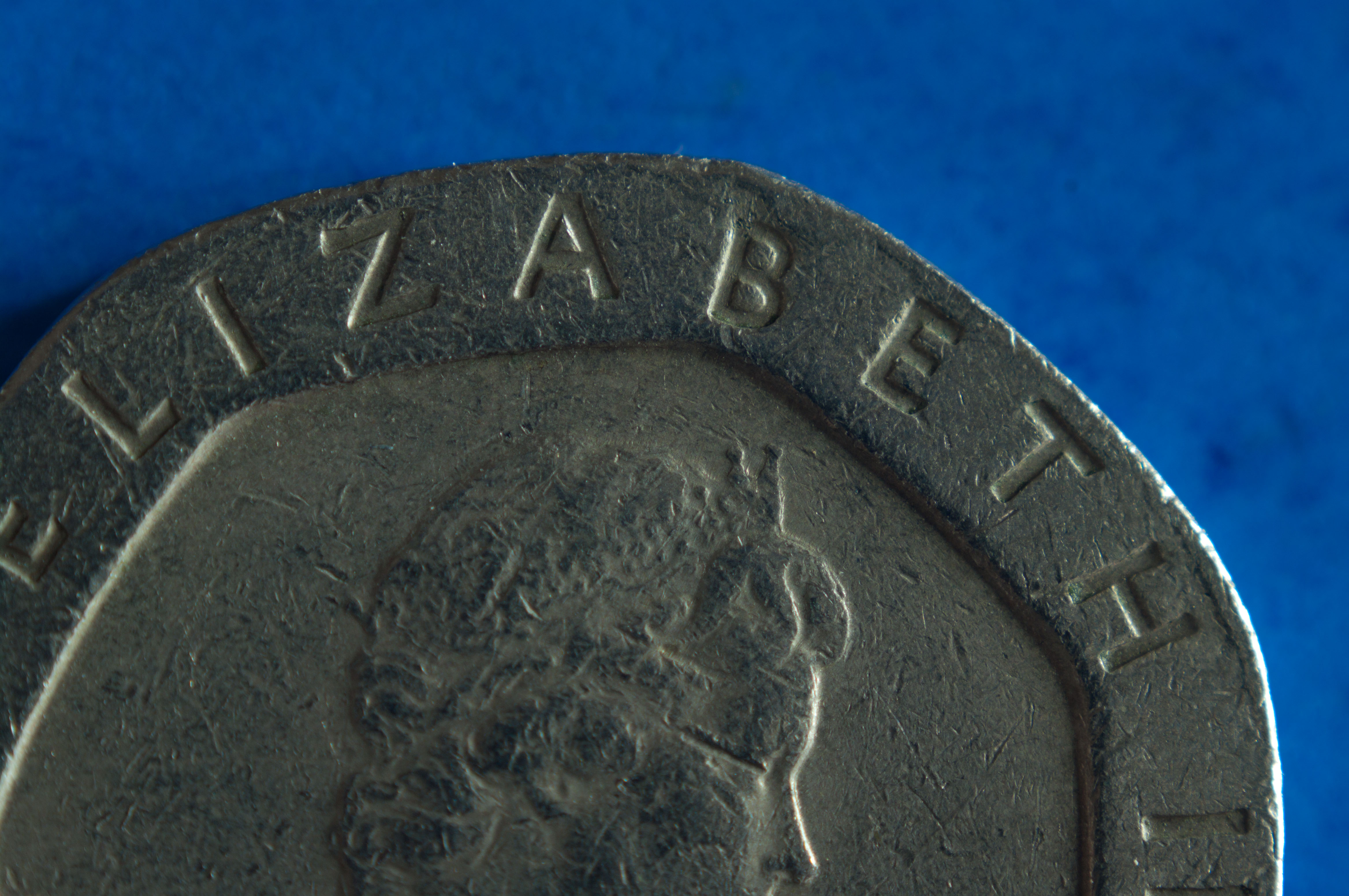
Zork Mini Makro unxtended with reversed Pentax 50mm lens
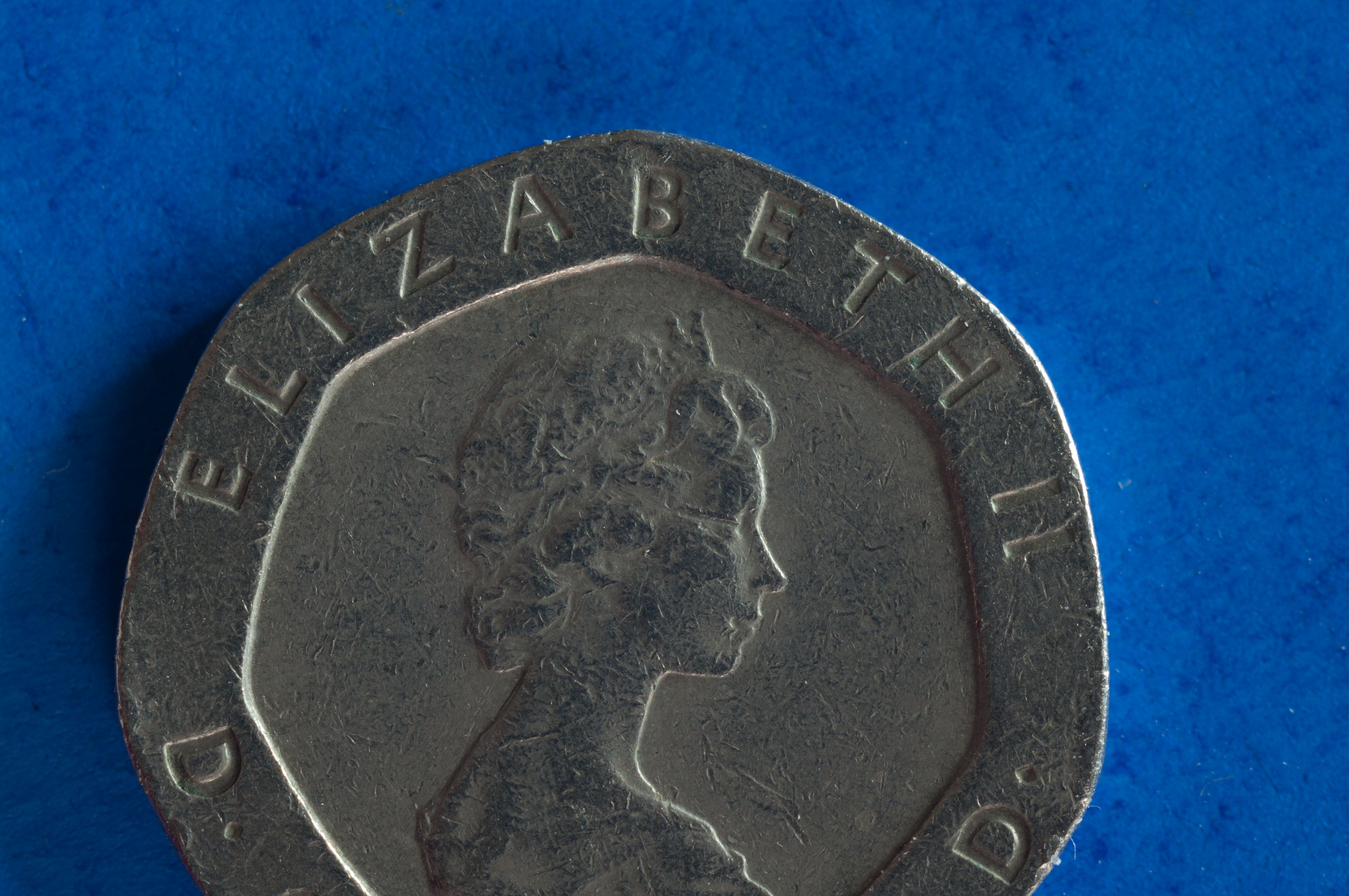
Zork Mini Makro Extended with Hoya 75mm enlarging lens
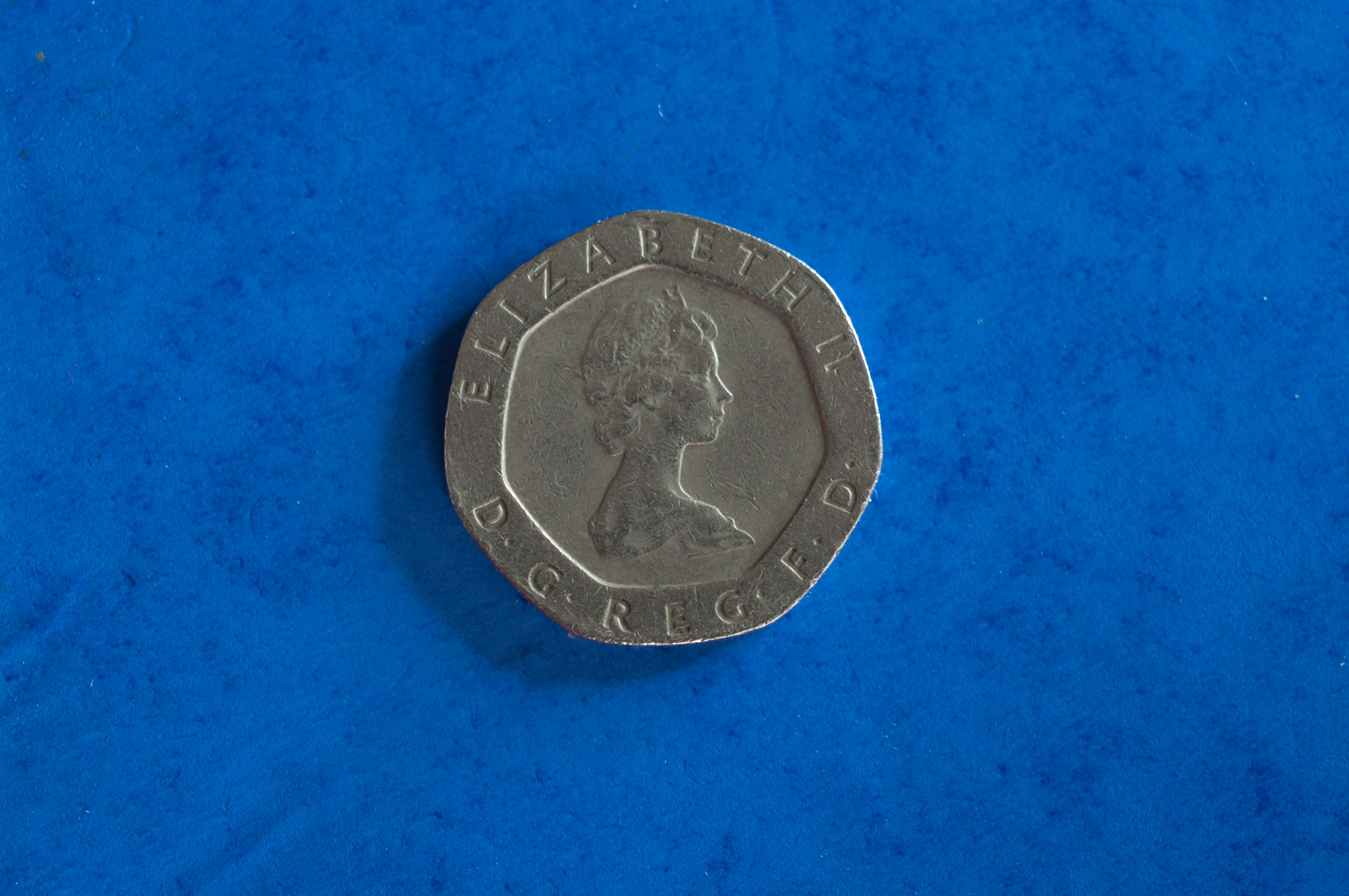
Zork Mini Makro unxtended with Hoya 75mm enlarging lens
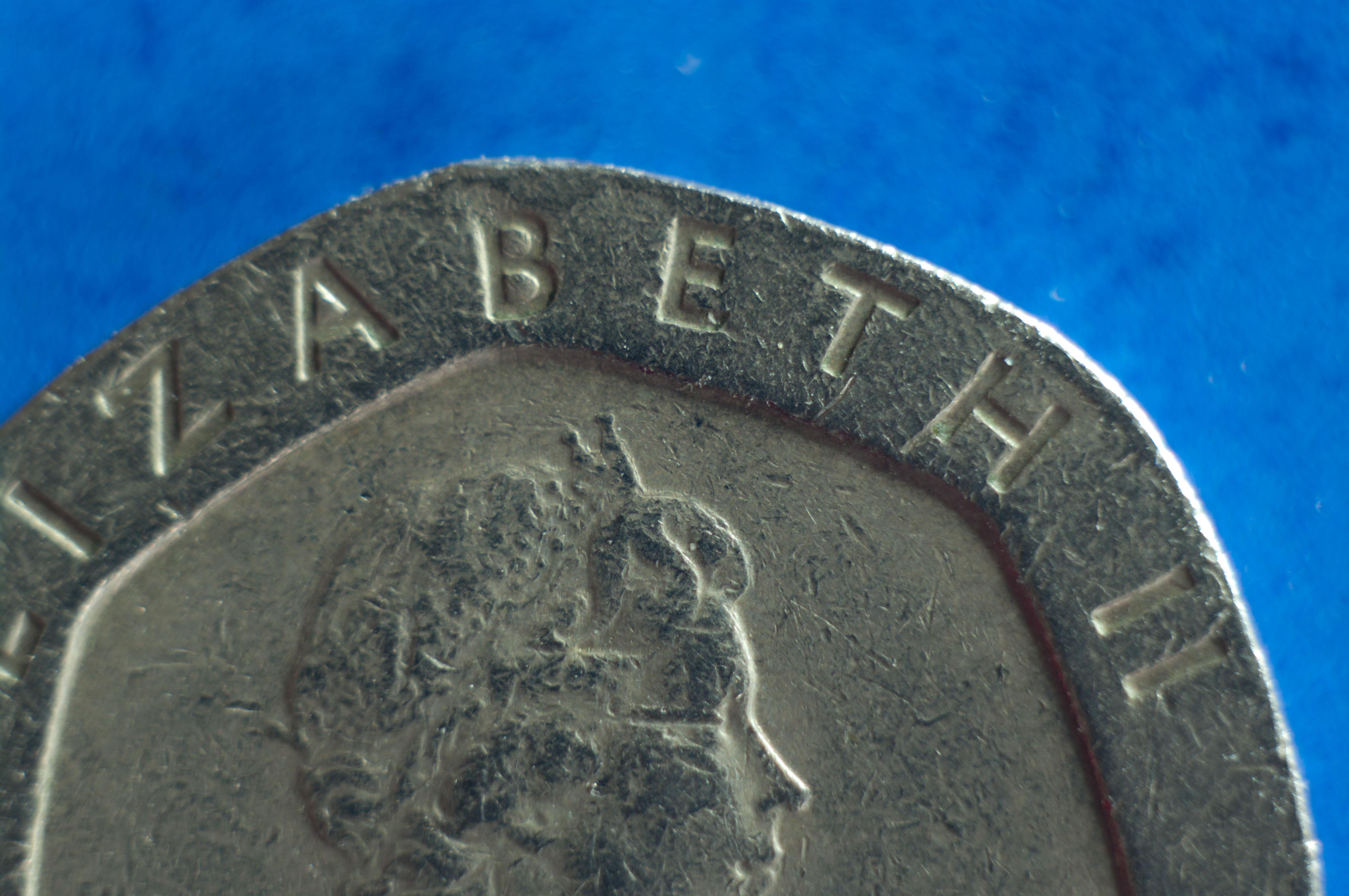
Zork Mini Makro Extended with Zenit 58mm lens
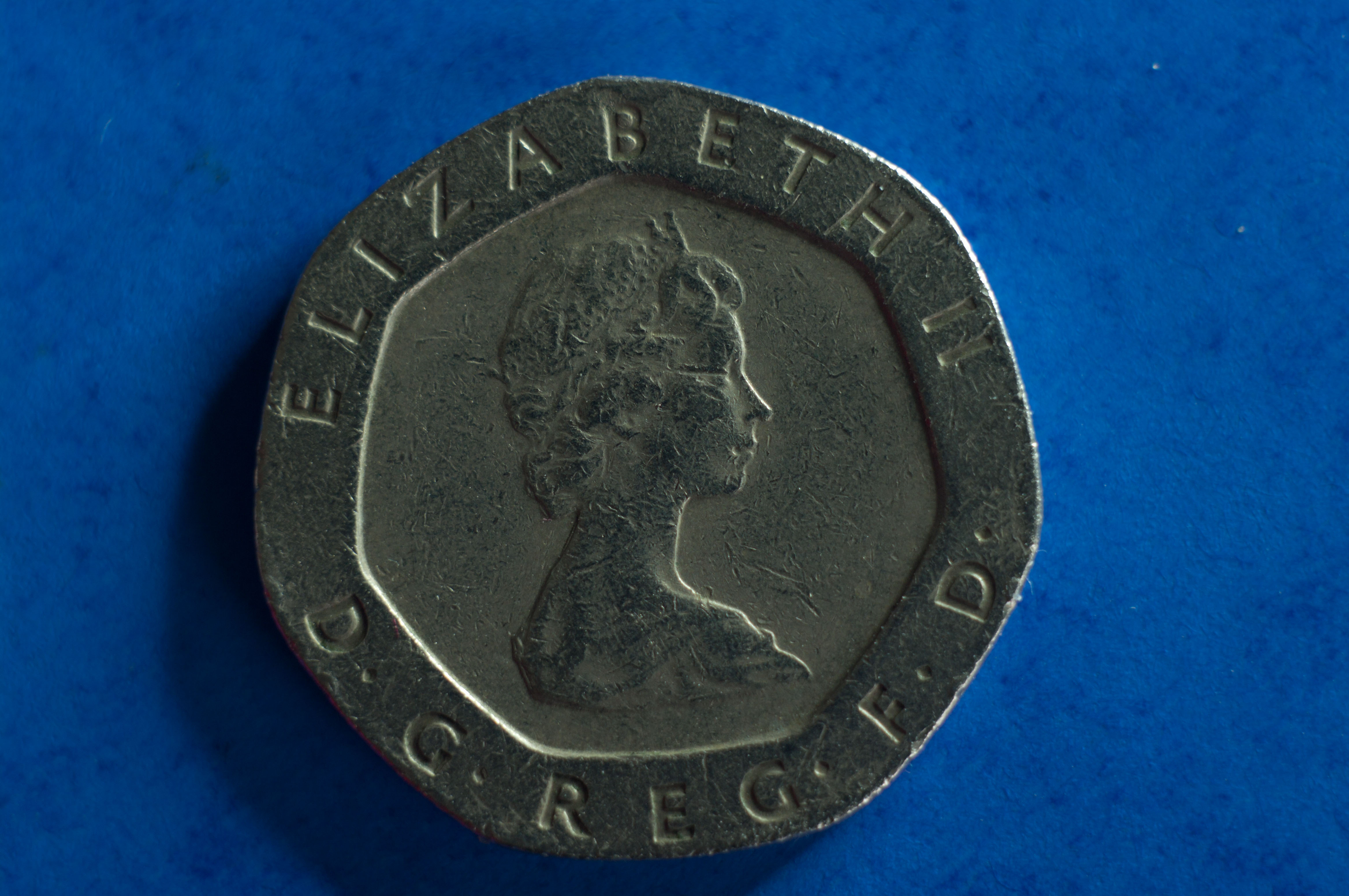
Zork Mini Makro unxtended with Zenit 58mm lens
Choosing Camera Macro Gear
The following guides will help you understand gear that you could use to take stunning macro photos:
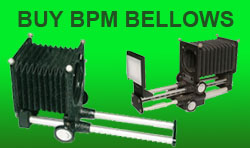
BPM Bellows
We have limited stocks of used BPM camera bellows including customised sets for the Bowens Illumitran professional slide copier.
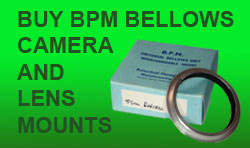
BPM Camera and Lens Mounts
We have the worlds largest collection of original camera and lens mounts for the BPM bellows.

BPM Bellows Spares
We can supply spare parts for BPM Bellows. Every item in stock from the bellow material to tiny screws that hold them together.
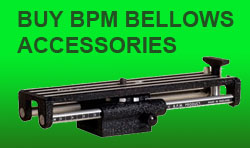
BPM Bellows Accessories
Accessories for the BPM Bellows to expand their versatility, including the Repotran slide copying add-ons.